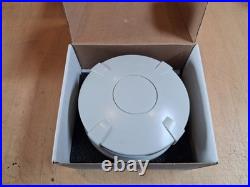
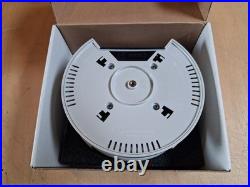
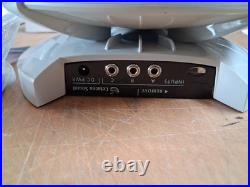
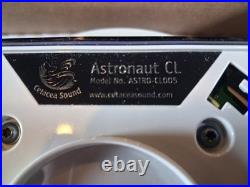
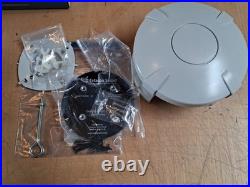
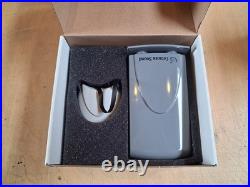
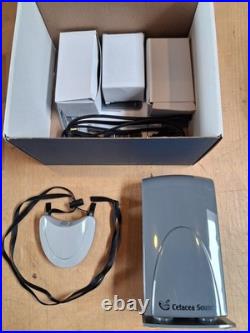
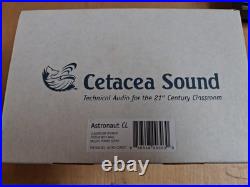
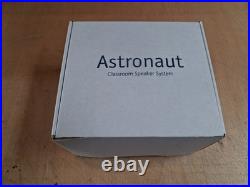
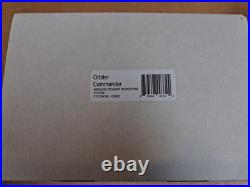

The system package is missing the 3.5mm inline volume control. This volume control can still be ordered from Cetacea Sound directly. This package saves you over half of the cost of a new system. Not Just Better Audio but Correct Audio for Student Learning & Comprehension. The key technology behind the Astronaut Soundfield is its omni-directional acoustic package. This allows all students to hear the same vocal presentation, regardless of where they are seated. No other speaker system design achieves this as efficiently as the Astronaut. Only one speaker is required in a standard size classroom of 900 to 1,200 sqft. Why Teacher Voice Amplification? Research recommends that target speech should average about 15 dB (decibels) above the ambient background noise in a room in order for students to have the best opportunity to comprehend the words spoken. For reference, a quiet room is about 40 dB when empty and can easily approach 60 dB in a student-filled room, which is about conversation level. So, in an occupied classroom, the teacher will be required to project their voice in order to be heard at 15 dB (SNR). Teaching is one of the few professions that requires 6+ hours of presentation every day. And, one of the major illnesses that keeps teachers out of the classroom is vocal-strain. We regularly receive calls from teachers who are so reliant on their Orbiter microphone, it is hard to teach without it! Operating the Astronaut Soundfield & Orbiter Pendant Microphone. Setting the volume is best done with a second person listening from the audience location who can help you determine the correct volume for the classroom. Hint: once the teacher can hear themselves, it’s probably too loud! The master control button on the back of the Orbiter is multi-functional. Clicking this button will switch from On to Mute in a cycle. Holding it down for 2 seconds will turn the microphone Off. Cetacea Astronaut LED light indicators. A solid green LED simply means the Astronaut Soundfield is powered. A solid amber LED indicates the Orbiter microphone is connected. A flashing amber LED indicates pairing mode. Cetacea Astronaut Soundfield amplifer mixer for multimedia. Multimedia audio from a projector, whiteboard, TV, or IFP are the most common sources for the Astronaut Soundfield. Simply connect a speaker cable between the audio output at the source and audio input on the amplifier. Quality audio cables with high-EMI rejection are important. Simple Ceiling-Mounted Installation to False or Hard-Surface Ceilings. The Astronaut Soundfield system is typically installed in the middle of the room on a false ceiling. Rooms with ceilings higher than 10′ should consider the Astronaut XL Soundfield for its louder 60W amplifier. The included bracket system is very easy to install and can be done with everyday basic tools. Our customers choose to install the system themselves or contract with local installers. No A/V experience is required.